Craft Beer in Ontario
An Ontario-focused guide to craft beer in Canada.
What Craft Beer Means
Plain-language facts about craft beer, including its meaning, brewing ingredients, fermentation, common styles, and place in Canada’s beer scene.
Craft Beer in Ontario at a Glance
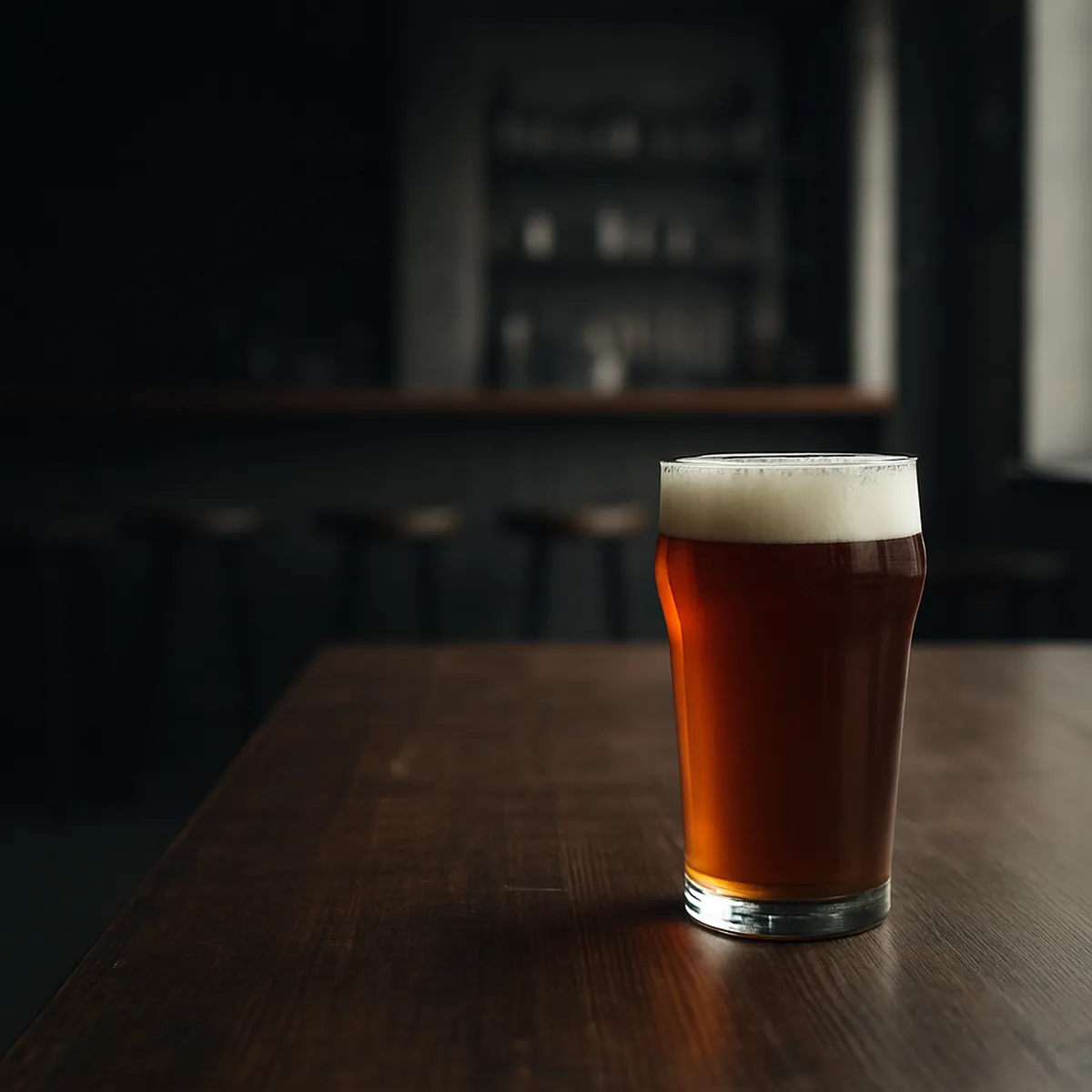
Ontario’s craft beer scene is part of Canada’s wider brewing landscape, with no single recipe or flavour defining every beer made in the province. The Ontario Craft Beer Guide is an independent English-language information guide, not a shop, business, service provider, school, or organisation, and it offers no products or services. Its information is intended for adults aged 19 and older, Ontario’s legal drinking age. This overview can help you orient your choices before comparing a style, a brewery, or a tasting occasion.
A Broad Category, Not One Style
Craft beer in Ontario is an umbrella term for beers made through varied creative approaches, not a promise of one familiar taste. Two beers from the same town can differ in colour, body, bitterness, aroma, and finish, while beers sharing a broad style can still show distinct recipes and house character. A pale, crisp beer and a fuller, more aromatic release may both belong in the province’s craft scene without being interchangeable. Small-batch beer brewing in Ontario can make room for rotating releases alongside year-round offerings, so a brewery’s lineup may change by season. Treat “craft” as context, then look for the beer’s style name and description. That keeps expectations flexible when comparing local releases rather than assuming every bottle shares a signature profile.
What the Ontario Guide Covers
The guide introduces Ontario craft beer styles, from familiar categories to less common interpretations, then explains core brewing terms so labels and descriptions are easier to read. It previews how craft beer is brewed at a high level, including how fermentation choices can vary, without treating one method as universal. For Ontario beer tasting, it points to beer tasting notes and flavour profiles as useful ways to compare descriptions in context. Other topics cover food pairing, glassware, and details to check for Ontario craft breweries, including location and current visitor information. The Canadian context includes provincial ingredients, seasonal releases, and craft beer regions that can shape what appears on tap or in stores. When comparing options, start with the stated style and brewery location; those details are more informative than the word “craft” alone.
What Craft Beer Means
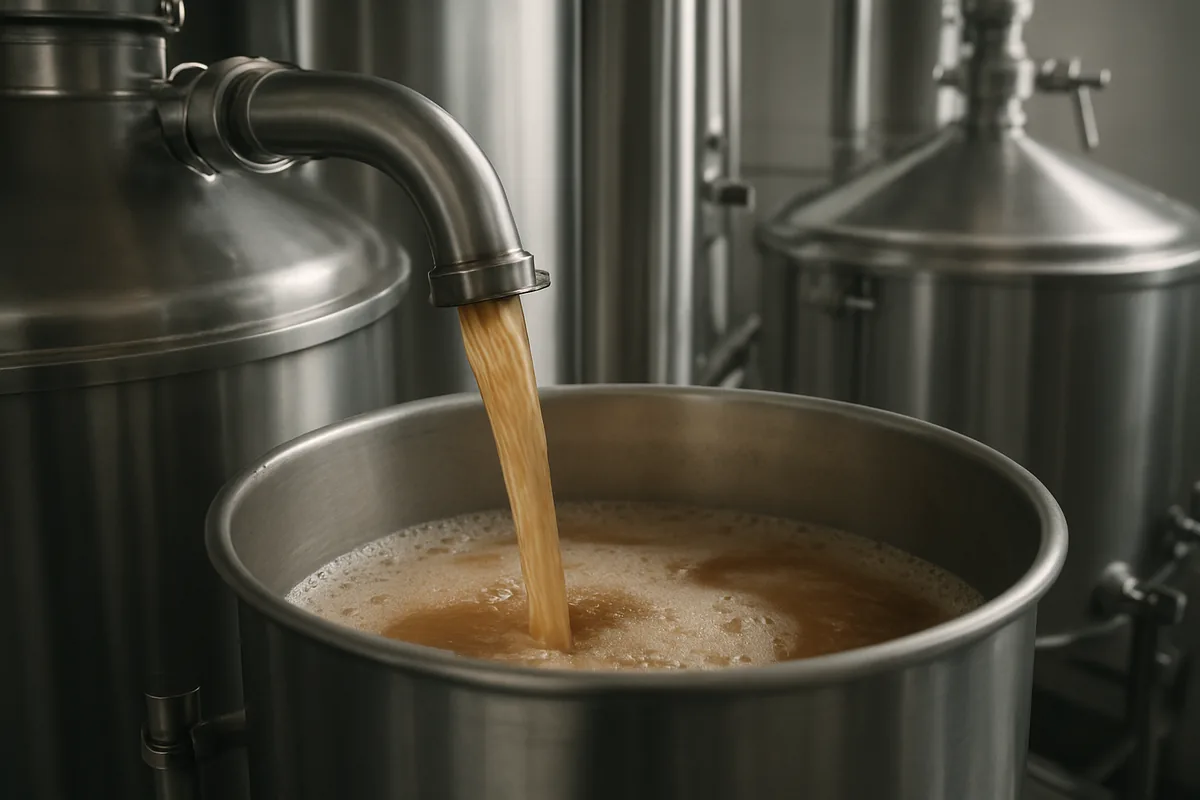
Craft beer in Ontario covers beers made with varied recipes and production choices, rather than a single taste profile. The term describes a broad category whose meaning can shift with context; it is not itself a flavour or beer style. Recipes commonly use water, malted grain, hops, and yeast, with adjustments to each ingredient shaping the finished beer. Knowing what the term does—and does not—tell you makes it easier to compare a label’s style, ingredients, and stated brewing choices.
A Plain-Language Definition
People use “craft beer” as a broad description for beer made by breweries that put attention into recipe development, production choices, or a distinctive local approach. The term does not have one universal legal definition, so its precise meaning can vary by place and conversation. In Ontario, it may describe a small-batch release from a neighbourhood brewery or a beer produced at a larger scale by an independent company.
The phrase alone does not tell you what is in the glass. Craft beer is not itself a flavour or a beer style: it can refer to beers made with familiar ingredients such as water, malted barley, hops, and yeast, but those ingredients also appear in many other beers. A particular bottle or tap listing is best assessed by its named style and recipe details rather than by assuming “craft” means bitter, strong, unusual, or locally made.
Ingredients and Brewing Choices
Water makes up most of beer, while malted grains—usually barley, sometimes with wheat or oats—supply fermentable sugars, colour, and body. Brewers choose a grain bill, the mix and proportions of grains, to set a recipe’s foundation. Hops add bitterness and can contribute citrus, pine, floral, or herbal aromas; the variety and timing of additions matter, from hops boiled with wort to dry hops added during or after fermentation.
Yeast converts fermentable sugars into alcohol and carbon dioxide, and its strain also affects aroma and attenuation, or how much sugar it consumes. Brewers select a strain and manage fermentation temperature to guide its activity; many ale yeasts ferment around 18–22°C, though the suitable range depends on the strain. Grain bills, hop choices, yeast, and fermentation schedules can all change the result without changing the meaning of “craft beer.” When choosing a beer, use its style and ingredient notes to find the profile you want.
Types of Beer and Beer Styles
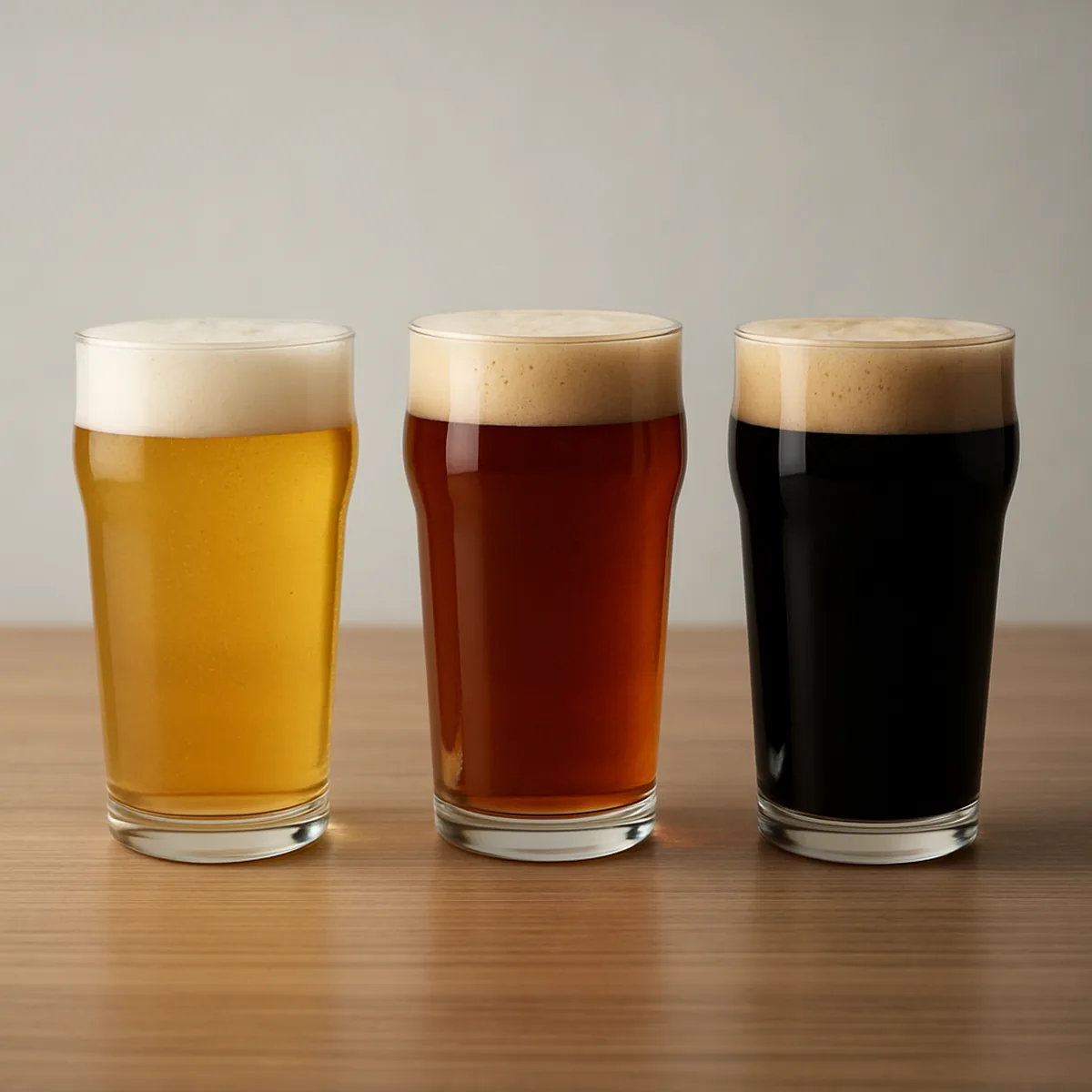
Ontario craft beer includes familiar styles made with different ingredients, yeast strains, and brewing choices. A useful first distinction is whether a beer is an ale or a lager, based mainly on its yeast and fermentation conditions. Style names such as pale ale, IPA, stout, porter, and wheat beer then offer clues about common traits, not a fixed flavour formula. A brewery’s recipe and process can make two beers in the same style noticeably different.
Ales and Lagers
Ale and lager describe broad fermentation families, not levels of strength, colour, or bitterness. Most ales use strains of Saccharomyces cerevisiae, which ferment relatively quickly at warmer temperatures, commonly around 15–24°C. Their yeast may gather near the surface during active fermentation, though behaviour varies by strain and vessel.
Lagers typically use Saccharomyces pastorianus, a hybrid yeast that works more slowly at cooler temperatures, often about 7–13°C. It tends to remain lower in the fermenting beer, followed in many recipes by cold conditioning near 0–4°C for several weeks. These are typical ranges, not strict definitions; individual breweries choose conditions suited to the yeast and recipe.
Neither family has one mandatory flavour. Ale yeast can produce subtle or pronounced fermentation character, while lager yeast can support crisp, delicate, or robust beer. Malt selection, hops, water, yeast strain, and fermentation management all affect the result. When comparing Ontario craft beer styles, treat “ale” and “lager” as clues to fermentation, then use the named style and recipe details to assess the beer.
Examples of Beer Styles
These five styles illustrate how broad family, grain bill, hop use, and fermentation character create different starting points. The descriptions are common patterns rather than guarantees for every brewery’s recipe.
| Style | Broad family | Common flavour or body traits | Useful distinction |
|---|---|---|---|
| Pale ale | Ale | Moderate malt body; hop notes can be floral, citrusy, or earthy | Usually less intensely hopped than an IPA |
| IPA | Ale | Often hop-forward, with bitterness or aromas ranging from citrus to pine | Hop intensity and bitterness vary widely by substyle and recipe |
| Stout | Ale | Dark malt can suggest coffee, cocoa, or roasted grain; body ranges from light to full | Dark colour does not by itself determine strength or sweetness |
| Porter | Ale | Often features toasted, chocolate-like, or caramel malt character | Can overlap with stout, but recipes and historical traditions differ |
| Wheat beer | Usually ale | Wheat contributes a soft texture; yeast character depends on the tradition | Includes distinct examples such as hefeweizen and witbier |
Use the style name to narrow your expectations, then check the brewery’s description for the particular beer’s ingredients and emphasis. For a first choice, select the style whose typical traits appeal to you; the recipe details refine that choice.
IPA and Lager Compared
In craft beer in Ontario, IPA and lager appear side by side on brewery menus, but the terms describe different things. IPA identifies a style family, while lager refers to a fermentation family that includes several styles. Their familiar differences often involve fermentation temperature, yeast, hop expression, bitterness, and body. The comparisons below describe common patterns, not rules that apply to every beer.
Different Kinds of Beer Terms
An India pale ale, or IPA, is a style family within the broader ale category. Its members are commonly distinguished by noticeable hop aroma or flavour, which may suggest citrus, pine, flowers, herbs, or tropical fruit. Brewers can make IPAs with different malt profiles, strengths, colours, and levels of bitterness, so the name does not point to one fixed recipe.
Lager, by contrast, describes a fermentation family rather than one specific style. Lagers are fermented with lager yeast and commonly include pale pilsners, amber beers, and dark bocks. Calling a beer a lager does not specify its colour, strength, or hop level. The terms are not direct equivalents: an IPA may be an ale style, while lager is a category that contains multiple styles. A menu listing an IPA and a lager is comparing a style family with a fermentation family, not two matching categories.
Fermentation and Sensory Differences
Common brewing practice helps explain the contrast, but recipes and cellar schedules vary. The table gives typical examples; sensory traits are not guaranteed by the category name.
| Feature | IPA example | Lager example |
|---|---|---|
| Fermentation | Many ales ferment around 18–22°C, though an IPA’s exact schedule depends on its yeast and recipe. | Many lagers ferment around 7–13°C; some breweries use warmer schedules. |
| Yeast | Typically ale yeast, commonly Saccharomyces cerevisiae. | Typically lager yeast, commonly Saccharomyces pastorianus. |
| Hop character | Often prominent; aroma can include citrus, pine, or tropical-fruit notes. | Can be restrained or pronounced; a pilsner may show herbal or floral hops. |
| Bitterness | American IPA examples are commonly 40–70 IBU in the 2021 BJCP style guidelines. | International pale lager examples are commonly 18–25 IBU in the 2021 BJCP style guidelines. |
| Body | Often medium, but dry, light-bodied IPAs and fuller examples are also made. | Often light to medium in pale styles; darker or stronger lagers can feel fuller. |
These ranges describe particular common practices and style examples, not every beer in either family. For a straightforward comparison, choose an IPA and a pale lager of similar strength, then compare their hop aroma and finish.
How Beer Is Made
Brewing turns malted grain, water, hops, and yeast into beer through a sequence of controlled operations. Each stage shapes the wort’s fermentable sugars, bitterness, aroma, and final carbonation. In craft beer in Ontario, breweries may adjust recipes and equipment, but the core process follows the same brewing principles. The main transitions are from grain to wort, then from fermenting beer to a conditioned, packaged product.
From Malt to Wort
The early stages extract fermentable sugars from malt and prepare a hop-flavoured liquid called wort.
- Malt preparation: Brewers select malted barley and, when a recipe calls for them, specialty grains; the grain bill sets the available starch, colour, and flavour.
- Milling: A roller mill cracks the kernels to expose their starchy interiors while leaving much of each husk intact to support drainage later.
- Mashing: Crushed malt is mixed with hot water, commonly around 62–70°C for 45–60 minutes; malt enzymes convert starch into soluble sugars.
- Lautering: The mash moves to a lauter tun, where the grain bed acts as a filter and wort drains away from the spent grains.
- Sparging: Brewers rinse the grain bed with warm water, often near 75°C, to recover remaining sugars without extracting excessive husk compounds.
- Wort boiling: The collected wort is boiled, often for 60–90 minutes; hops added early contribute bitterness, while later additions preserve more aroma.
After the boil, the wort is separated from hop material and rapidly cooled to a yeast-suitable temperature before fermentation begins.
Fermentation to Packaging
Cooled wort enters a sanitized fermenter, where brewers pitch yeast at a rate suited to the batch and chosen strain. Yeast consumes fermentable sugars and produces alcohol and carbon dioxide; it also creates flavour compounds that differ by strain and fermentation conditions. Many ales ferment around 18–22°C and reach primary fermentation in roughly four to ten days, while many lagers ferment around 8–13°C and may take one to three weeks. These are typical ranges, not fixed schedules: brewers follow gravity readings and yeast activity before moving the beer onward. After primary fermentation, conditioning gives yeast time to settle and flavours to mature. Depending on style and process, this can take several days or several weeks; some lagers receive an extended cold-conditioning period. Brewers may then clarify or filter the beer, or leave it unfiltered. For packaging, beer can be transferred to kegs, cans, or bottles. Kegs and many cans are force-carbonated with carbon dioxide, while bottle-conditioned beer receives yeast and a measured priming-sugar addition for carbonation in the sealed bottle. A practical rule is to package only after fermentation is complete and the intended carbonation method is controlled.
Ontario Craft Breweries
Ontario craft breweries range from city taprooms to destinations outside major centres, making location important when planning a visit. The province’s scale means a route between Toronto, Niagara, Ottawa, or smaller communities can involve substantial travel time. Regional examples offer orientation rather than a complete directory or ranking. Before setting out, confirm visitor details with the brewery itself.
Regional Context and Examples
Ontario craft breweries are spread across a large province, so regional context helps when comparing nearby stops or planning a route. Toronto offers an urban setting, while Hamilton and the Niagara area connect brewery visits with communities along the western end of Lake Ontario and the Niagara Peninsula. Further east, Ottawa and Vankleek Hill represent different settings in eastern Ontario: Beau’s Brewing Company is based in Vankleek Hill, while Ottawa provides a larger city base.
Hamilton’s Collective Arts Brewing and Toronto’s Bellwoods Brewery are recognizable examples of local producers. These names illustrate a few locations, not a complete ranking or directory. Breweries also operate in smaller towns and rural areas, where distances between stops can be substantial. Treat regional groupings as practical geography rather than fixed beer-style boundaries: producers in the same area may differ in scale, taproom format, and release calendar. Check each brewery’s location before building a route.
Visitor Information Changes
Taproom access and visitor arrangements can change, even when a brewery’s address stays the same. Opening days and hours, walk-in availability, reservation requirements, tour schedules, tasting options, and food service may vary by location or season. Holiday hours and special events can also affect access, so an older listing or a past visit may not reflect current arrangements.
Use the brewery’s official website or verified social media account for current details, and check the date of its latest visitor announcement. If a tour or timed tasting matters to your plans, confirm availability directly before travelling; do the same for retail hours and accessibility information. A quick check on the day of your visit is the most practical way to avoid arriving when a taproom is closed or operating differently.
Choosing Beer Glassware
A beer glass affects how aromas gather above the pour, how foam forms, and how comfortably you can hold and drink it. Its shape can make certain features easier to notice, but it does not change the beer itself. Broad style is a useful starting point: a narrow pilsner glass and a rounded tulip emphasize different qualities. Choose a glass for its practical effects, not because every beer needs its own specialized vessel.
Shape, Aroma, and Foam
Start with the beer’s broad style, then consider what the glass needs to do; no single shape is essential for every pour.
- A tapered bowl, such as a tulip, gathers volatile hop and malt aromas near the rim, making focused, aromatic pours easier to smell.
- A wider opening releases aroma more readily, while a narrower rim concentrates it; choose based on whether you want an open or focused impression.
- A clean, smooth interior helps foam form during pouring; a nucleation point etched into the base can encourage a steady stream of bubbles.
- A stable head helps retain aroma above the beer, though foam height and persistence also depend on the beer and how it is poured.
- A comfortable stem or sturdy base improves handling; a nonic pint’s bulge, for example, gives the hand a secure grip during casual use.
Broad style helps narrow the choice: a flute-like pilsner glass shows a pale lager’s carbonation, while a tulip suits many hop-forward ales.
Matching a Glass to a Beer
Weigh the beer’s most noticeable feature against the glass’s shape and opening. For an aromatic Ontario IPA beer, a tulip or another bowl-shaped glass can direct hop aroma toward the nose. A straight-sided pint is a convenient choice for a balanced pale ale or an easy-drinking lager, while a tall, narrow pilsner glass displays carbonation and a rising foam collar. These are useful matches, not strict rules. Consider foam and handling as well: a glass that supports a lasting head is helpful when aroma matters, while a stable, comfortable vessel is often better for a relaxed pour. Specialized glassware is optional, and one practical glass can serve several beers. If choosing just one, select a clean, easy-to-hold shape with a modestly narrowed rim; it offers a useful balance of aroma, foam, and everyday versatility.
Tasting Beer
A consistent tasting sequence makes it easier to notice what changes from one beer to the next. In an Ontario beer tasting, start with visible features, then assess aroma, flavour, and mouthfeel in that order. Give each observation a plain-language description rather than relying on specialist terms. A few brief notes can capture both the beer’s traits and your own preference.
A Four-Part Tasting Sequence
Taste in the same order each time: appearance, aroma, flavour, then mouthfeel. A small pour gives you room to look, smell, and take more than one sip.
- Appearance: Note colour, clarity, and foam. A beer may look pale gold, copper, or dark brown; describe whether its head is fine, persistent, or quickly fading.
- Aroma: Smell gently before sipping, then note clear impressions such as citrus, pine, floral hops, toasted grain, or a mild bread-like malt scent.
- Flavour: Identify the first taste, then the finish. Record whether citrus or malt stands out, how strong the bitterness feels, and whether it lingers.
- Mouthfeel: Describe the beer’s body and carbonation. It might feel light or full, smooth or crisp, with fine bubbles or a lively, fizzy texture.
Use observable words such as “copper,” “citrus,” and “dry finish” before reaching for technical vocabulary. Aroma and flavour can differ: a beer may smell strongly of hops yet taste only moderately bitter. A short pause between sips can also help you notice whether the finish fades quickly or remains on the palate.
Comparing Tasting Notes
Keep notes brief and use the same four headings for every beer: appearance, aroma, flavour, and mouthfeel. For example, write “clear gold; citrus aroma; moderate bitterness; light body, lively carbonation.” That format captures concrete observations without requiring brewing jargon or a long list of flavour terms. Compare beers under similar conditions, using a similar pour size and serving temperature. Look at one feature at a time: does one have a darker colour, a stronger hop aroma, or a drier finish? Separate description from preference by recording “high bitterness” as a trait and “too bitter for me” as your reaction. The most useful tasting notes are short, specific, and consistent; use the same four headings whenever you compare another pair.
Beer and Food Pairing
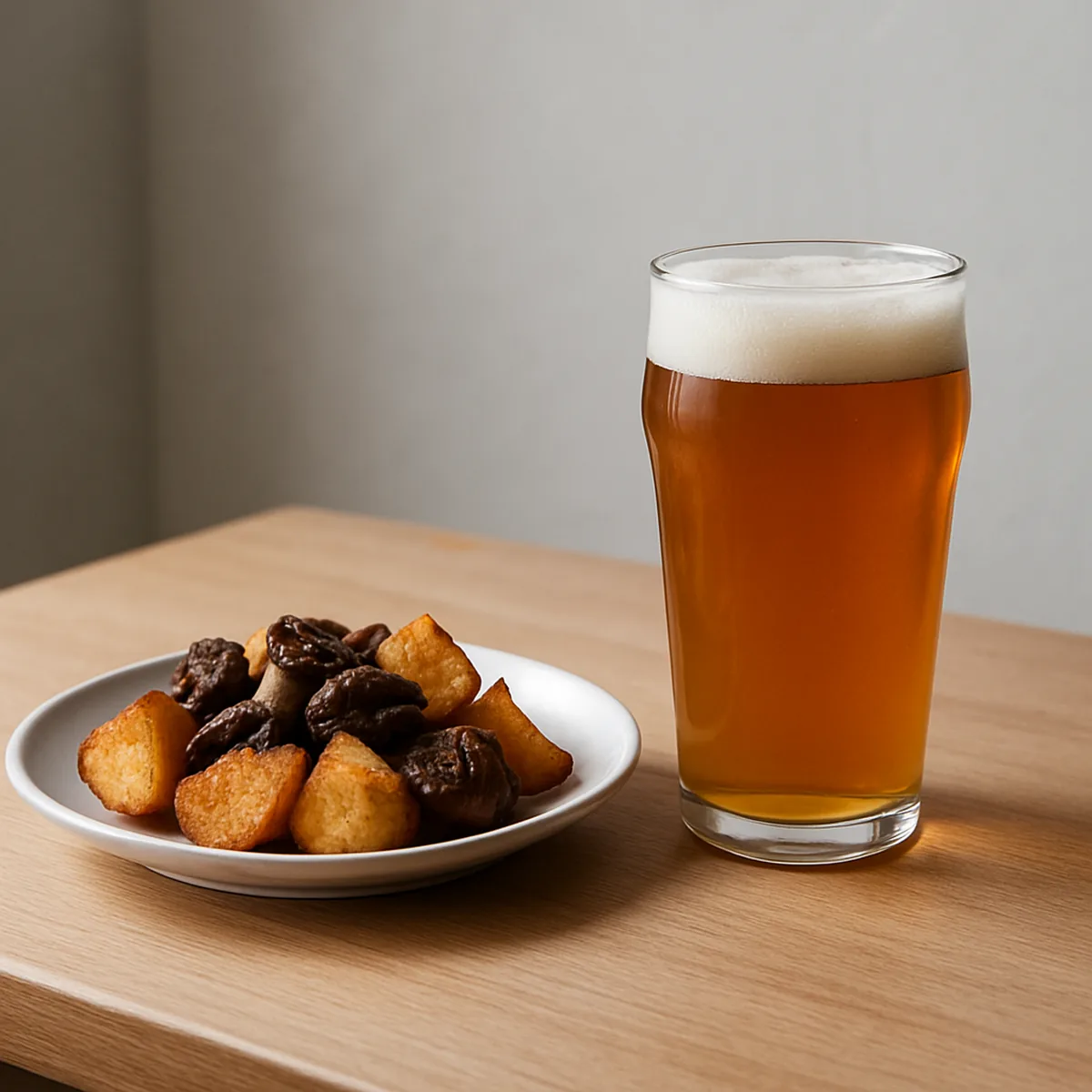
A good pairing considers how strongly a beer and a dish register on the palate, rather than relying on a fixed chart. Bitterness can offset the coating feel of rich food, while sweetness, acidity, spice, and roast offer other ways to connect or create contrast. A crisp Ontario pale ale may behave differently beside a meal than a higher-strength, more intensely hopped beer. Start with the dominant feature of the dish, then choose a beer that either echoes it or brings a useful counterpoint.
Intensity, Bitterness, and Richness
Match the weight of the beer to the weight of the dish. A light-bodied lager around 4–5% ABV can sit comfortably beside grilled chicken or a simple salad, while a robust porter or a stronger IPA is less likely to disappear beside smoky barbecue or a heavily seasoned burger. This is a starting point, not a rule: sauce, salt, and cooking method can make a modest dish taste more intense.
Bitterness can provide a counterweight to rich, fatty textures. A hop-forward IPA with a firm bitter finish may refresh the palate after a bite of fried fish, while carbonation also helps clear away some of the coating sensation. If the food is mildly flavoured, that same beer can dominate it; a softer pale ale may keep the balance. Let the strength of the seasoning and the beer’s bitterness guide the choice.
Complementary and Contrasting Flavours
Complementary pairings repeat a flavour already present in the food. A malt-forward amber ale can echo the caramelized sweetness of roasted carrots, while a chocolatey stout can pick up the cocoa notes in a dessert. Echoing does not require exact matches: toasted malt alongside browned pastry can be enough to make the flavours feel connected.
Contrasting pairings use one quality to balance another. A beer with a touch of sweetness can soften the heat of spicy noodles, whereas a tart, citrus-led wheat beer can brighten a creamy goat-cheese tart. Roasted flavours may also meet a contrast: a dry, crisp beer alongside dark, roasted mushrooms can keep the meal from feeling too heavy. Try a small sip with a bite, then adjust for the dish’s sauce and seasoning; the best match is the one that leaves both flavours clear.
Who This Guide Is For
The intended readers are adults of legal drinking age in Ontario, whether they are new to beer terminology or comparing familiar styles. Ontario’s legal drinking age is 19. The guide gives readers a way to connect basic vocabulary with brewing choices, serving details, and the varied local scene. Use the parts that answer your questions, then apply the practical details when trying a new style or visiting a brewery.
For Newcomers and Curious Readers
Adults new to beer can start with everyday terms such as pale ale, pilsner, malt, hops, and fermentation. Plain-language explanations help distinguish a style name from an ingredient or a brewing step, so a label or menu becomes easier to interpret without assuming prior knowledge.
The guide also connects its subjects: style descriptions provide a starting point for ingredients and brewing, while tasting, glassware, and food-pairing coverage gives context for what readers may find in a 355 mL can or a brewery sample. You can read in sequence or look up one unfamiliar term at a time. Adults in Ontario must be 19 or older to drink legally; for younger readers, the terminology and brewing information remain useful without involving alcohol. A practical first step is to choose one unfamiliar style name and follow its related terms as you read.
For Readers Comparing Styles
Readers comparing styles can use shared points of reference—such as aroma, bitterness, malt character, and fermentation type—to notice how beers differ without treating one profile as universally best. Ontario craft beer styles include familiar categories such as pale ale and pilsner, alongside varied interpretations from local producers. The aim is to clarify distinctions, not rank breweries or direct readers toward a purchase.
Regional context shows that Ontario craft breweries operate across different communities and that releases and visitor details can change. An Ontario beer tasting guide can support informed comparisons, but it is not a current directory or a promise that a particular beer will be available. For a practical comparison, select two labeled styles, record a few sensory observations, and check current brewery details directly before planning a visit.
Types of Beer and Beer Styles
Ontario craft beer includes familiar styles made with different ingredients, yeast strains, and brewing choices.
How Beer Is Made
Brewing turns malted grain, water, hops, and yeast into beer through a sequence of controlled operations.
Ontario Craft Breweries
Ontario craft breweries range from city taprooms to destinations outside major centres, making location important when planning a visit.
Beer and Food Pairing
A good pairing considers how strongly a beer and a dish register on the palate, rather than relying on a fixed chart.